
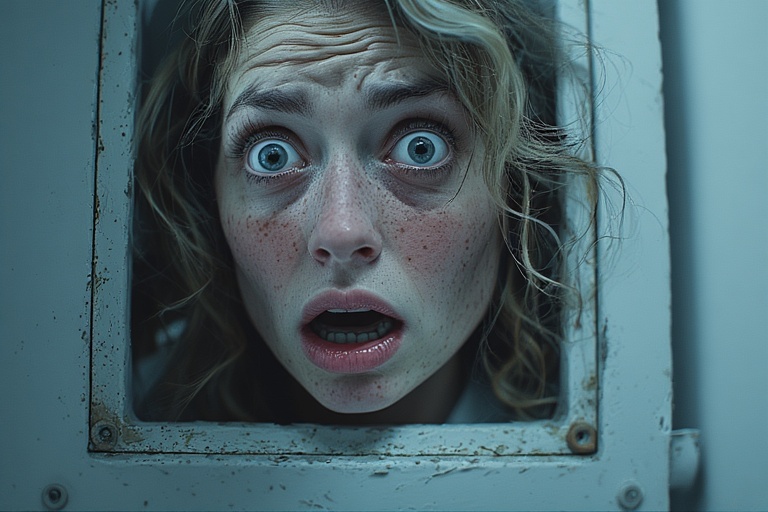
Abstract, Surreal, and “Wrong” Storytelling in Songs
Music has always been a storytelling medium, a way for artists to convey emotions, experiences, and ideas. Traditionally, lyrics are expected to make sense—or at least be relatable—in order to communicate a story or message. Yet, some songs break this expectation entirely. Lyrics that are abstract, surreal, or seemingly “wrong” challenge listeners, provoke thought, and create unique emotional experiences. But why do these songs resonate, and what makes them so compelling?
The Allure of the Abstract
Abstract lyrics abandon literal meaning in favor of mood, imagery, or emotion. Words are not meant to narrate a coherent story but to evoke feelings in the listener. Take, for instance, lyrics that string together unusual metaphors, non-sequiturs, or fragmented imagery. On the surface, they may appear nonsensical—but beneath that chaos lies an emotional logic. Listeners are invited to interpret the imagery in personal ways, making the experience highly subjective and intimate.
Consider the appeal: abstract lyrics can express the inexpressible. Feelings like anxiety, longing, or existential confusion often elude direct description, and abstract storytelling gives those emotions a voice. Artists like Björk, Radiohead, and Sigur Rós excel in crafting songs that communicate more through imagery and sound than literal meaning.
The Surreal and Dreamlike
Surreal lyrics take abstraction a step further, creating dreamlike worlds that defy conventional storytelling. In these songs, time, space, and reality itself can bend. Surrealism in music draws inspiration from literary and artistic movements, where the goal is to challenge perception and push imagination.
Lyrics that depict impossible scenarios or bizarre juxtapositions often carry emotional weight precisely because they are strange. They can represent subconscious thoughts, inner fears, or fantastical visions. Listeners are encouraged to suspend disbelief and experience the song as they might a vivid dream—full of symbolism, unexpected turns, and startling images.
When “Wrong” Becomes Right
Sometimes lyrics feel wrong simply because they break the rules. Grammatical inconsistencies, repetitive phrases, or illogical sequences may seem like mistakes—but in many cases, they are deliberate choices. These “wrong” lyrics disrupt expectations and create tension, humor, or intrigue.
For example, nonsense lyrics in songs like “I Am the Walrus” by The Beatles or playful rap verses that defy linear storytelling can be memorable precisely because they are unpredictable. The listener is left in a state of curiosity, amusement, or even confusion, which can make the song more engaging and unforgettable.
Why Listeners Embrace the Confusing
Songs with abstract or surreal lyrics often inspire multiple interpretations. Unlike straightforward storytelling, they resist a single meaning, giving listeners the freedom to project their own experiences onto the song. This participatory quality can make the music feel more personal, and it can also create a sense of mystery and wonder that keeps audiences coming back for repeated listens.
Additionally, when lyrics don’t make sense in a conventional way, the music itself often becomes more important. Rhythm, melody, vocal delivery, and production take center stage, creating a holistic experience where meaning is felt as much as it is understood.
The Balance Between Chaos and Intent
Of course, abstract, surreal, or “wrong” lyrics are not inherently successful. For them to resonate, there must be an underlying intention—a deliberate artistry that guides the chaos. When executed well, they expand the boundaries of songwriting, opening up new avenues for emotional expression and imaginative storytelling.
In a world where lyric videos and social media often push listeners to seek literal meaning immediately, songs that defy comprehension stand out. They remind us that music is not always about clarity—it is about experience, emotion, and wonder.
When lyrics don’t make sense, they invite listeners to engage with music in entirely new and unexpected ways. Rather than following a linear narrative or delivering a clear, literal message, these songs encourage interpretation, imagination, and emotional exploration. Through abstract imagery, surreal landscapes, or intentionally “wrong” phrasing, they challenge conventional expectations of storytelling in music, demonstrating that meaning does not always need to be explicit to resonate.
There is a unique power in ambiguity. Lyrics that defy literal understanding allow listeners to project their own experiences, memories, and emotions onto the song, creating a personal connection that changes with each listen. A string of unexpected metaphors, a dreamlike scene, or even nonsensical wordplay can evoke feelings more vividly than straightforward language ever could. Songs like Radiohead’s “Pyramid Song” or Björk’s “Hunter” exemplify this—immersing the audience in moods and mental landscapes rather than traditional plots, leaving the meaning fluid and open-ended.
Sometimes, the “wrong” choice is deliberate. Repetitive phrases, jarring juxtapositions, or grammar-defying constructions can disrupt expectations, producing tension, humor, or intrigue. This unpredictability draws listeners in, keeping them engaged, curious, and often coming back for repeated listens. It turns music into a puzzle or an emotional experiment, where comprehension is only one part of the experience.
The magic of nonsensical or surreal lyrics lies not in their confusion but in their freedom. They remind us that music is not merely a vehicle for communication—it is an art form capable of conveying feelings, atmospheres, and subconscious truths that words alone cannot capture. By embracing the nonsensical, artists can reach beyond the limits of conventional language, crafting songs that are felt as much as they are heard, and experienced as much as they are understood.
In the end, these songs celebrate the unpredictable, the imaginative, and the enigmatic. They invite listeners to surrender the need for clarity, to dive into emotion and intuition, and to discover that sometimes, the deepest connections in music come from what we cannot fully explain. In embracing the nonsensical, music transforms into a realm where mystery, wonder, and imagination reign supreme.