
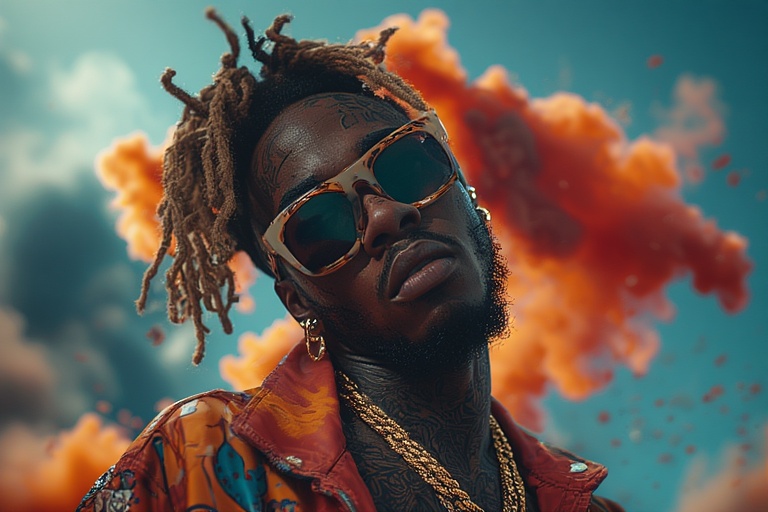
Underground Movements Ignored by Mainstream Media
In an era dominated by streaming charts, viral hits, and corporate playlists, it can feel like the music world has been narrowed down to a handful of familiar names and genres. Yet, beyond the polished surfaces of mainstream exposure, entire musical worlds thrive in the shadows. These are the sounds of the margins: subcultures and underground movements that exist not for mass consumption but for community, experimentation, and authentic expression.
The Power of the Underground
Underground music movements often flourish precisely because they exist outside mainstream visibility. Without pressure to conform to radio formats, viral trends, or commercial expectations, artists in these spaces can take risks. Genres like industrial, vaporwave, lo-fi hip hop, and noise music have evolved largely in DIY circles, online forums, and small, independent venues. In these spaces, music becomes more than a commodity; it is a cultural identity, a form of resistance, and a creative laboratory.
Take the punk scene of the 1970s and 1980s, for instance. Bands like Minor Threat or Crass were almost entirely ignored by mainstream media at the time, yet they defined a cultural ethos that continues to influence artists decades later. Today, underground movements continue this legacy, whether in hyper-specific electronic microgenres, experimental jazz collectives, or global folk fusion scenes.
Communities That Thrive in the Shadows
What defines a subculture or underground movement isn’t just the music—it’s the people. Zines, independent record labels, and online communities provide spaces for fans and creators to connect in meaningful ways. These communities cultivate not only sound but style, philosophy, and social commentary.
The significance of these communities extends beyond the music itself. They offer marginalized voices a platform, foster DIY ethics, and challenge the homogeneity of mainstream culture. Many movements, from riot grrrl to grime, began as grassroots efforts that addressed social, political, and cultural issues ignored by larger media outlets.
Technology and the Underground
The digital age has dramatically shifted the underground landscape. Platforms like Bandcamp, SoundCloud, and Telegram allow artists to release music globally without label backing. Social media algorithms, while often favoring popular content, have also enabled niche communities to flourish, connecting artists with audiences who actively seek out unconventional music.
Interestingly, some underground movements are now influencing mainstream sounds indirectly. Elements of hyperpop, bedroom pop, and drill music began in small, tight-knit online communities before infiltrating commercial playlists, proving that the margins often serve as innovation labs for the music industry at large.
Why Mainstream Media Ignores the Margins
There are practical reasons mainstream outlets overlook these movements: limited audience size, commercial viability concerns, and a focus on easily marketable stories. Yet the cultural loss is significant. Ignoring these spaces not only denies exposure to unique creative voices but also underrepresents communities that shape musical evolution in profound ways.
Embracing the Margins
For listeners willing to explore beyond the charts, the margins offer a wealth of discovery. From underground hip hop scenes in South America to post-punk enclaves in Eastern Europe, music in these spaces challenges expectations, questions norms, and pushes sonic boundaries. The margins remind us that creativity cannot be entirely quantified by views, streams, or sales—it is alive in the spaces where passion meets independence.
In celebrating music in the margins, we honor not just the artists but the communities that sustain them, the risks they take, and the ways they reshape our understanding of what music can be. For those willing to look beyond the spotlight, the underground is a treasure trove of sound, identity, and rebellion—a place where music is not just heard but felt, lived, and shared.