
Bridging Generations Through Music
Few symbols capture the golden era of American nightlife quite like the jukebox. Its glow, its chrome curves, and the promise of musical magic with just the drop of a coin defined the social soundtrack of the mid-20th century. From soda shops in the 1950s to corner bars in the 1970s, jukeboxes weren’t just machines—they were the heart of the room. They chose the mood, sparked conversations, and brought people together through shared taste and curiosity.
But in today’s world of streaming, smartphones, and instant access to nearly every song ever recorded, the jukebox could have easily become a nostalgic relic—an artifact of simpler times. Yet, against all odds, the jukebox has evolved rather than disappeared. Digital jukeboxes have taken that old spirit of communal listening and infused it with 21st-century technology, keeping the magic alive for a new generation while honoring its storied past.
From Chrome and Vinyl to Screens and Servers
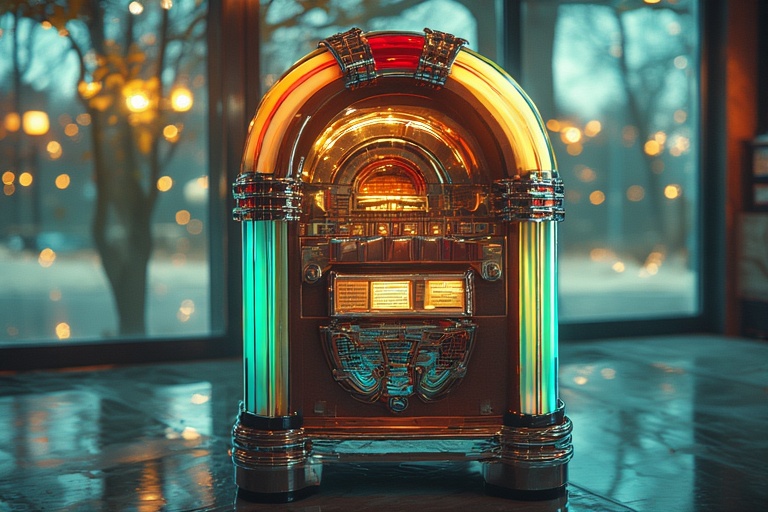
In its heyday, the mechanical jukebox was a marvel of engineering and artistry. Companies like Wurlitzer, Seeburg, and Rock-Ola designed machines that were as beautiful as they were functional. Neon lights, polished chrome, and rotating records gave jukeboxes an irresistible aura of glamour. Patrons could flip through pages of song titles, drop in a nickel, and hear Elvis, Sinatra, or The Supremes fill the room.
Fast-forward to today, and the aesthetic may have changed—touchscreens have replaced physical title cards—but the essence remains intact. Modern digital jukeboxes, such as those from TouchTunes or AMI Entertainment, offer access to millions of songs stored in the cloud. They combine nostalgic design elements—vintage-inspired cabinets, warm lighting, and analog-style menus—with the limitless potential of digital libraries.
What was once a mechanical symphony of gears and vinyl is now a seamless network of software, servers, and high-quality digital sound. The result? The jukebox remains both a time capsule and a living, breathing part of the modern music experience.
The Social Soul of the Jukebox
One reason jukeboxes have endured is their social role. They’ve always been more than just music players—they’re social equalizers. Whether in a smoky bar or a retro diner, jukeboxes invite everyone to participate in shaping the atmosphere. The ability to “play DJ” gives people a sense of agency and community.
Digital jukeboxes build on this legacy. Many allow users to select songs from their smartphones through dedicated apps. Patrons can browse, queue tracks, and even pay digitally, making the process convenient while still keeping that shared anticipation alive. There’s still that same familiar moment when everyone hears the opening notes of a favorite tune and turns toward the sound, grinning in recognition.
These machines transform any venue into a living playlist curated by its guests. In this sense, modern jukeboxes bridge the gap between analog nostalgia and digital interactivity. They preserve the democratic spirit of music—where anyone with a few dollars (or credits) can change the vibe of an entire room.
Nostalgia Meets Innovation
The allure of jukebox nostalgia isn’t just about old songs—it’s about the ritual. Scrolling through song titles, debating with friends, waiting for “your” song to play—all of that creates an experience that digital streaming often lacks. Today’s digital jukeboxes understand that, which is why many designers emphasize tactile engagement and visual flair reminiscent of the golden age.
Some bars and diners have even embraced hybrid setups, featuring retro-styled digital jukeboxes that look straight out of the 1950s. These machines feature faux chrome finishes, LED lighting that mimics neon, and even animation effects that replicate spinning records. Behind the retro exterior, though, lies advanced digital infrastructure capable of streaming lossless audio and integrating with online playlists.
This clever blending of form and function taps into something powerful: the emotional connection people have with the past. The result is a multisensory bridge between generations—baby boomers see something familiar, millennials see something stylishly vintage, and Gen Z discovers something delightfully analog in a digital world.
Keeping the Spirit of Shared Music Alive
In an era where earbuds and personalized playlists dominate, public listening experiences are becoming rare. The digital jukebox keeps that communal spirit alive. It brings people out of their isolated sound bubbles and encourages shared enjoyment of music—something our hyper-personalized culture often lacks.
Bars that install digital jukeboxes often find they add energy and connection to their environment. A well-timed song can transform the mood of an evening, spark a dance, or turn strangers into friends. The jukebox remains a social catalyst—something no algorithm can fully replicate.
Moreover, many modern jukebox systems incorporate data analytics, allowing venue owners to see which songs resonate most with their patrons and tailor promotions accordingly. This symbiosis between human choice and digital insight makes the jukebox as relevant as ever in the entertainment landscape.
A Legacy That Keeps Spinning
The jukebox’s journey from vinyl to virtual mirrors our own relationship with technology: adapting, modernizing, yet holding fast to what makes us human. Its endurance speaks to a timeless truth—music is meant to be shared.
Whether glowing softly in a corner diner or commanding attention in a crowded bar, today’s digital jukebox is more than just a machine. It’s a meeting point between generations, a marriage of nostalgia and innovation, and a reminder that no matter how technology evolves, the joy of choosing the next song—and waiting for it to play—will never go out of style.