
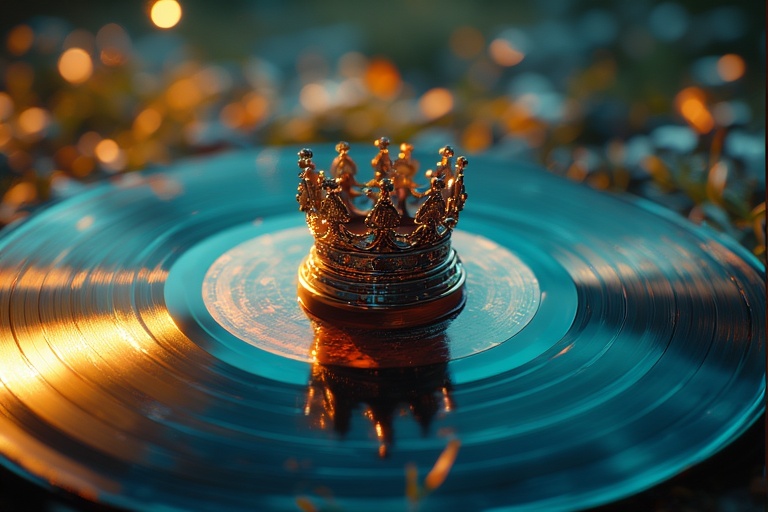
Falling in Love with Analog Sound
In a world where nearly every song ever recorded is just a tap away, it’s easy to assume physical music formats would fade into obscurity. Yet, vinyl records—those large, grooved discs once deemed obsolete—have not only survived but are thriving in the age of streaming. What began as a niche fascination among audiophiles has evolved into a cultural movement embraced by Gen Z, redefining what it means to truly listen to music.
A Tangible Connection in a Digital Era
For many young listeners, vinyl represents more than nostalgia—it’s a rebellion against the intangible. In contrast to the fleeting nature of playlists and algorithms, holding a record feels personal. There’s something ritualistic about sliding the disc from its sleeve, placing it on the turntable, and lowering the needle. The soft crackle that follows is not a flaw but a feature—a reminder of the human touch behind the art.
Vinyl brings back the concept of listening with intention. Instead of skipping from track to track, listeners experience albums as cohesive works of art, exactly as artists intended. It transforms passive consumption into an immersive act.
Sound That Breathes
Audiophiles often argue that analog sound has a warmth that digital files can’t replicate. That “warmth” comes from vinyl’s natural imperfections—the subtle distortion and texture that add character to each playback. Unlike compressed digital formats, vinyl captures more of the original recording’s depth and nuance, making it feel alive.
Younger generations, raised on crystal-clear MP3s and streaming, are discovering that imperfection can be beautiful. For them, the analog sound isn’t about technical superiority—it’s about emotion, presence, and authenticity.
The Aesthetic of Authenticity
Part of vinyl’s renewed appeal lies in its visual and tactile beauty. The oversized album covers, the printed lyrics, the physical act of flipping sides—all of it makes music feel like art again. Record stores have become social hubs for collectors and casual fans alike, offering something the internet can’t replicate: community.
Social media has only amplified this movement. Platforms like TikTok and Instagram are filled with “vinyl wall” setups, unboxing videos, and recommendations from creators who romanticize the analog experience. Vinyl collecting has become both a hobby and a form of personal expression.
Artists and Labels Embrace the Format
This resurgence hasn’t gone unnoticed by artists. Major acts like Taylor Swift, Billie Eilish, and Harry Styles now release limited-edition vinyl variants with unique artwork, colors, and exclusive tracks. Independent artists, too, see vinyl as a way to connect deeply with their audiences. The result? Vinyl has become the fastest-growing physical format, outselling CDs for the first time since the 1980s.
For musicians, pressing an album to vinyl adds permanence in an industry dominated by fleeting digital trends. It turns music into an heirloom—something that can be passed down, rediscovered, and cherished over time.
A Modern Classic
The vinyl revival isn’t simply about going backward; it’s about reclaiming something lost in the rush toward convenience. As streaming continues to dominate, vinyl offers a slower, more deliberate way to experience sound—an analog antidote to the digital overload.
In 2025, falling in love with analog sound isn’t about resisting the future—it’s about remembering the value of presence, patience, and texture. Vinyl is proof that in a world of infinite choice, sometimes the most meaningful experiences come from pressing play the old-fashioned way.