
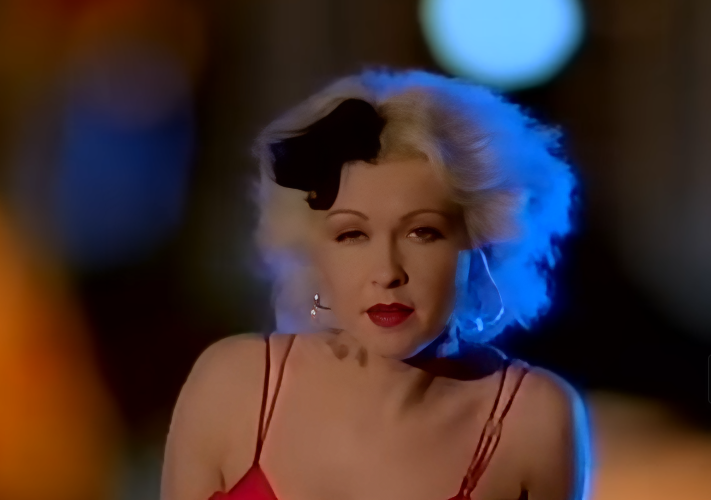
10 Artists Who Broke Away From Bands and Owned the ’80s
The 1980s didn’t just give us neon colors, synthesizers, and the birth of MTV—it also ushered in the era of the solo megastar. While the ’60s and ’70s were dominated by bands, the ’80s saw a massive shift: charismatic frontmen and frontwomen stepping out from their groups to claim center stage alone.
What followed was a cultural explosion—artists reinventing themselves with bold visuals, new sonic identities, and a level of celebrity that blurred the line between musician and global icon.
Here are 10 artists who broke away from their bands and redefined the decade, forever changing the direction of pop, rock, and the entire fabric of music culture.
1. Phil Collins (Genesis)
Few artists have epitomized the term “unstoppable” like Phil Collins. While still a member of Genesis, Collins launched a solo career that quickly eclipsed his group’s popularity.
With albums like Face Value and No Jacket Required, he mastered the art of emotional pop—layering drum machines, atmospheric synths, and heartbreak-soaked lyrics. Collins became an MTV staple, with videos that showcased his everyman charm, humor, and intensity.
His solo presence reshaped adult contemporary, pop-rock, and even movie soundtracks, proving that a drummer could evolve into one of the defining voices of the decade.
2. George Michael (Wham!)
When George Michael stepped away from Wham!, he didn’t just go solo—he launched a new era of sophistication in pop.
His debut, Faith, was a seismic cultural moment blending R&B, pop, sexuality, religious imagery, and fashion. With leather jackets, cross earrings, and smoldering intensity, Michael became the blueprint for the modern male pop icon.
His videos—stylish, narrative-driven, and MTV-tailored—cemented him as a master of reinvention and solidified his status as one of the ’80s most versatile artists.
3. Sting (The Police)
As the frontman of The Police, Sting was already a superstar. But his solo career allowed him to explore jazz, world music, political storytelling, and a level of introspection that didn’t fit the band’s tight, reggae-infused rock.
Albums like The Dream of the Blue Turtles revealed an artist willing to challenge the mainstream while remaining completely accessible. His global activism, literary lyricism, and genre experimentation helped shape the more mature side of ’80s pop.
4. Belinda Carlisle (The Go-Go’s)
Breaking away from The Go-Go’s, one of the most successful all-female bands in history, Belinda Carlisle emerged as a polished pop goddess.
Her solo hit “Heaven Is a Place on Earth” was quintessential ’80s—big drums, soaring vocals, and a glamorous, cinematic music video that became an MTV rotation staple. Carlisle helped define the decade’s feminine pop sound: bright, powerful, and unapologetically catchy.
5. Lionel Richie (Commodores)
Leaving Commodores behind, Lionel Richie stepped into the ’80s with a romantic, silky solo sound that turned him into one of the decade’s most beloved balladeers.
Songs like “Hello,” “All Night Long,” and “Truly” dominated radio and wedding dance floors alike.
Richie’s blend of soul, pop, and Caribbean influences, paired with cinematic music videos, made him a global cultural figure—softening the edges of pop while broadening its emotional depth.
6. Michael McDonald (Steely Dan / The Doobie Brothers)
After work with Steely Dan and later as the instantly recognizable voice of The Doobie Brothers, McDonald launched a solo career built on smooth R&B grooves and his signature husky vocals.
His solo hits became adult-contemporary gold, influencing the “yacht rock” aesthetic and paving the way for 80s blue-eyed soul. His influence went beyond radio—into film soundtracks, session work, and a timeless internet meme presence decades later.
7. Cyndi Lauper (Blue Angel)
Before her neon hair and “Girls Just Want to Have Fun” launched her into superstardom, Cyndi Lauper fronted the rockabilly-influenced band Blue Angel.
Her solo debut, She’s So Unusual, became one of the most iconic albums of the decade, redefining pop fashion, feminism, music videos, and the very idea of what a solo artist could look or sound like.
Lauper’s theatrical visuals and fearless individuality made her an MTV legend and an inspiration for countless artists afterward.
8. Peter Gabriel (Genesis)
While Phil Collins took the mainstream path, Peter Gabriel—also formerly of Genesis—took the avant-garde route.
Gabriel’s solo work blended world music, political commentary, innovative music production, and groundbreaking videos like “Sledgehammer,” which rewrote the rules of MTV’s visual creativity.
His album So became a cultural watershed, showing that experimental art could thrive in the era of pop maximalism.
9. Debbie Harry (Blondie)
Though Blondie never formally disbanded, Debbie Harry’s early ’80s solo work let her explore funk, dance, and electronic music outside of her iconic new-wave band Blondie.
Her collaborations with Chic producers and underground club culture positioned her at the crossroads of disco, punk, and hip-hop, making her a multi-genre pioneer.
She helped legitimize the idea that a woman could be a fearless chameleon—switching styles, genres, and personas with total control.
10. Ozzy Osbourne (Black Sabbath)
When Ozzy left the legendary metal group Black Sabbath, many thought his career was over. Instead, he ignited the 1980s metal scene.
With guitarist Randy Rhoads, Osbourne released albums like Blizzard of Ozz, blending heavy riffs with melodic hooks. His dark persona, theatrical videos, and MTV appeal brought metal into mainstream pop culture.
He became a rock icon, a symbol of rebellion, and—later—a reality-TV household name.
Why the ’80s Was the Perfect Decade for Solo Stardom
MTV changed everything
Music videos became visual storytelling tools. Artists who understood image—fashion, hair, makeup, attitude—rose fastest. Going solo meant having full creative control over how they appeared onscreen.
Technology empowered individuality
Drum machines, synthesizers, and digital recording allowed artists to craft personal sonic identities without full bands.
Pop culture shifted toward personalities, not groups
The ’80s valued faces, charisma, and narrative. A solo star could be bigger, more personal, more relatable—and more marketable.
The Legacy of the Solo Superstars
These 10 artists didn’t just evolve from their original bands—they reshaped music across genres, defined the look and sound of the ’80s, and proved that reinvention is the heartbeat of pop culture.
Their influence lives on in today’s landscape, where solo transformations—from Beyoncé to Harry Styles—follow a path first carved by these bold ’80s pioneers.