
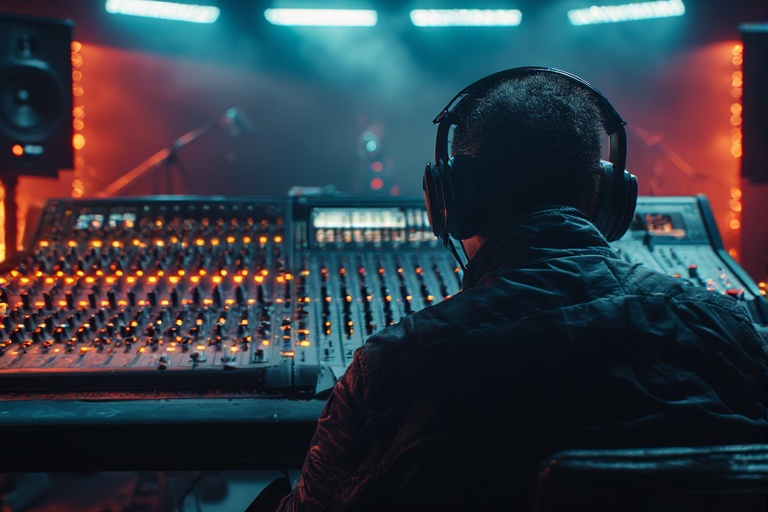
Creativity in the Studio
Every musician, producer, and engineer knows the feeling — that rare magic when everything just clicks in the studio. The groove locks in, the vocals soar effortlessly, and creative ideas flow like electricity. What’s fascinating is that this kind of magic isn’t just about gear, plugins, or perfect acoustics — it’s deeply psychological. The success of a recording session depends as much on how people feel as it does on how things sound.
Let’s explore the often-overlooked psychological side of the studio: how mood, comfort, and communication can make or break a great recording session.
1. The Studio as a Psychological Space
A recording studio isn’t just a technical environment — it’s a creative sanctuary. It’s where musicians expose their emotions, experiment with vulnerability, and try to capture something deeply human in a controlled space. That emotional openness requires trust.
If an artist walks into a studio that feels cold, tense, or overly clinical, it can stifle creativity before the first note is played. By contrast, a warm, welcoming environment encourages risk-taking. Whether it’s the lighting, scent, or the simple kindness of the engineer, every element of atmosphere shapes how freely artists express themselves.
Studios that succeed long-term often cultivate a sense of safe creativity — a space where it’s okay to make mistakes, where experimenting isn’t judged, and where emotional honesty is rewarded.
2. The Mood Factor: Setting the Emotional Tone
Mood is contagious in the studio. A producer’s energy, an artist’s confidence, or even the vibe of a supporting musician can shift the emotional weather of an entire session.
Musicians are highly attuned to subtle cues — a sigh from the control room, a distracted glance at a phone, or an impatient tone can instantly change the dynamic. When the mood turns negative, tension creeps into performances. Timing feels off, vocals lose emotion, and spontaneity disappears.
On the other hand, a producer who radiates calm and enthusiasm can transform a nervous take into a moment of brilliance. Simple acts like offering encouragement, giving space to breathe between takes, or cracking a well-timed joke can reset the room’s energy.
Pro tip: Setting an intentional mood before recording — through lighting, playlists, or even a few quiet moments together — can have a profound impact on performance.
3. Comfort Breeds Confidence
Creativity thrives when people feel physically and emotionally comfortable. That might mean keeping the temperature cozy, offering snacks and water, or making sure the artist’s headphone mix feels natural and inspiring.
But comfort also has a psychological dimension. A performer needs to feel that they belong in the space — that they’re supported rather than judged. This is especially true for vocalists, who often feel exposed and self-conscious when recording intimate material.
Small gestures from the producer or engineer — a nod of approval, a positive comment, or even dimming the lights during a take — can ease tension and help the artist forget about the technical side long enough to focus on emotion.
When artists feel comfortable, they take creative risks. They might try a bolder melody, a rawer lyric delivery, or an unplanned harmony that ends up becoming the highlight of the song.
4. The Art of Communication
If mood sets the tone, communication directs the flow. Great sessions depend on clarity, empathy, and timing in how ideas are shared.
The best producers know when to speak and when to stay silent. Over-talking during takes can shatter concentration, while long silences can leave artists anxious about whether they’re doing well. Finding that balance — offering guidance without control — is a hallmark of psychological intelligence in the studio.
Constructive feedback is another key skill. Saying “That wasn’t right” shuts down confidence, while “Let’s try a different emotion on that line” keeps the artist engaged and curious. Framing feedback in creative rather than technical terms (“Try singing it like you’re whispering a secret” vs. “Lower your dynamics”) helps the artist connect emotionally rather than analytically.
And communication goes both ways. Artists should feel empowered to express when they need a break, want to retry something, or feel unsure about direction. Open dialogue builds trust, and trust fuels creativity.
5. Managing Pressure and Expectations
Recording can be exhilarating — but also stressful. Time constraints, financial pressure, and perfectionism can weigh heavily on musicians and producers alike. The key lies in managing expectations and creating space for imperfection.
Some of the most iconic moments in recorded history happened by accident — a spontaneous laugh, a broken guitar string, or an unplanned vocal ad-lib. These imperfections capture authenticity, which is what listeners connect to most.
A psychologically savvy producer encourages that balance: pushing for excellence while allowing room for play. The mantra “done is better than perfect” often applies here — it’s better to capture a performance with soul than to chase sterile technical perfection.
6. Group Dynamics and Collaboration
In sessions involving multiple people — bands, choirs, or production teams — group psychology becomes even more crucial.
A studio is a microcosm of personalities: introverts and extroverts, leaders and followers, perfectionists and improvisers. When these personalities clash, sessions can stall. When they align, something greater than the sum of its parts emerges.
Good producers function almost like therapists, reading the emotional temperature of the room and mediating when tensions rise. They create an environment where everyone feels heard, even if not every idea is used.
The best collaborative sessions often share a sense of shared purpose — everyone working toward the same emotional goal for the song. When that happens, egos dissolve, and collective creativity soars.
7. Building Lasting Studio Relationships
The most memorable recording sessions don’t just produce great music — they build lifelong creative relationships. Artists often return to the same producers and studios because of how they felt during the session, not just how the record sounded.
Trust built over time leads to deeper artistic exploration. Once an artist knows they’re in safe hands, they can go to more vulnerable places in their work — revealing parts of themselves that might have stayed hidden elsewhere. That’s when true musical magic happens.
8. The Invisible Producer: Energy Management
Every great producer learns to read and regulate the invisible energy in the room. Too much intensity, and the session burns out. Too much passivity, and it drifts. Knowing when to shift gears — to break for lunch, dim the lights, or change the song order — can save a session from stagnation.
Some call it “vibe management.” It’s an intuitive art that blends psychology, empathy, and instinct. The best sessions often unfold like a dance — ebbing and flowing naturally, guided by sensitivity to the emotional current.
Conclusion: The Human Element Behind the Mix
Technology may evolve, but the psychology of creativity remains timeless. Behind every breathtaking recording lies a delicate balance of human emotion, comfort, and connection.
Great studios and producers understand that they’re not just capturing sound — they’re capturing feeling. The microphones, preamps, and acoustics matter, but they only serve to translate what begins as a spark of emotion between people.
In the end, a great recording session isn’t just a technical achievement — it’s a human experience. It’s the result of trust, mood, comfort, and communication aligning in perfect harmony to bring something extraordinary into existence.