
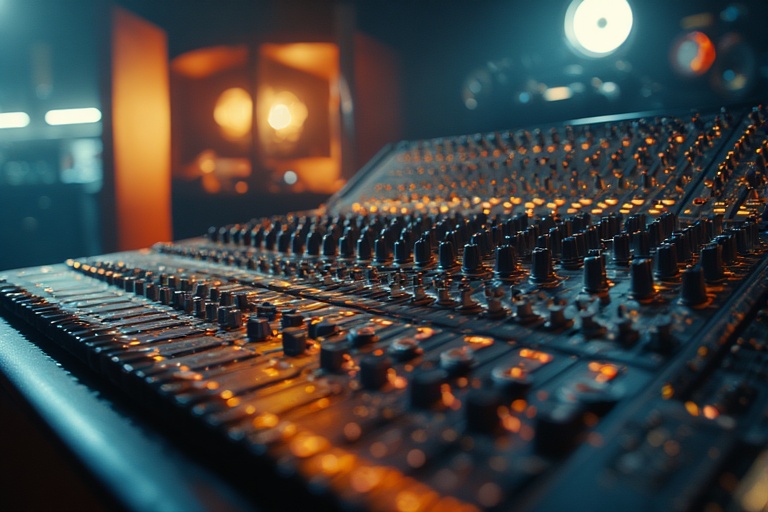
Shared Spaces Are the Future of Music Production
In an era where creativity thrives on connection, the concept of the collaborative studio has emerged as a defining force in modern music production. Gone are the days when a recording studio was a solitary sanctuary reserved for artists and producers working behind closed doors. Today’s most innovative spaces are built around interaction — a shared ecosystem of ideas, influences, and resources that fuels the creative process. From co-working-style studios to genre-blending creative hubs, shared environments are rapidly reshaping how music is made, shared, and experienced.
The Rise of the Shared Studio Movement
The collaborative studio model grew naturally out of two cultural shifts: the rise of independent artists and the explosion of affordable recording technology. As musicians began building home studios and working remotely, many realized something was missing — the spontaneous creative energy that comes from working around others. In response, shared studio environments began to appear, offering a middle ground between the isolation of home recording and the high costs of traditional studios.
These spaces operate much like creative co-working offices. Producers, songwriters, engineers, and instrumentalists can rent flexible time in a shared facility, complete with professional-grade equipment, treated rooms, and access to communal lounges or production suites. The focus isn’t just on gear, but on community. The model mirrors what’s happened in the tech and design industries, where collaborative spaces encourage rapid idea exchange and innovation.
Cross-Genre Collaboration: A Creative Goldmine
One of the most powerful results of shared studio environments is the ease with which cross-genre collaboration occurs. When a jazz saxophonist, an EDM producer, and an indie-folk songwriter happen to share the same coffee machine or vocal booth, unexpected magic can happen. These unplanned encounters have led to some of the most exciting musical fusions of the modern era — songs that blur the lines between genres and expand the boundaries of what’s possible.
Shared studios often become incubators for musical experimentation. A hip-hop artist might find themselves inspired by a classical pianist’s chord progressions, or a pop producer might layer traditional instruments over digital beats. These collaborations not only enrich the music but also expand each participant’s skill set and network. In an industry increasingly defined by streaming algorithms and genre-fluid playlists, this kind of creative cross-pollination is invaluable.
The Psychology of Collaboration
The benefits of collaborative studios extend beyond artistic innovation. There’s a psychological dimension to working in a shared creative space. Musicians who might otherwise struggle with motivation, perfectionism, or creative block often find renewed energy in the presence of others. The social feedback loop — where ideas are tested, refined, and celebrated in real time — can be profoundly motivating.
There’s also a sense of belonging that emerges in shared studios. Many artists describe the experience as joining a family or tribe of like-minded creatives. This sense of community helps counteract the loneliness that can accompany artistic careers, especially for independent musicians working outside major-label ecosystems.
Moreover, the collaborative studio model normalizes vulnerability. When everyone is sharing their works-in-progress, the fear of imperfection diminishes. Artists learn to embrace the creative process — messy, unpredictable, and deeply human.
Technology as an Enabler
Technological advances have made collaboration easier than ever before. Cloud-based production tools, shared DAW projects, and real-time remote mixing allow musicians to collaborate across time zones. But within shared physical studios, technology also plays a role in enabling fluid, multi-user workflows.
Modern studio spaces are being designed with modularity and connectivity in mind. Shared networks, digital patch bays, and hybrid analog-digital setups allow multiple producers to integrate their unique tools seamlessly. Some studios even feature AI-assisted composition tools or immersive audio setups (such as Dolby Atmos), giving collaborators new creative dimensions to explore together.
The Economics of Shared Spaces
Beyond creativity, there’s a practical reason for the rise of collaborative studios: affordability. Maintaining a professional recording studio can be prohibitively expensive for most independent artists. By pooling resources, musicians gain access to high-end gear, acoustically treated spaces, and experienced engineers without the full financial burden.
For studio owners, the model also makes economic sense. Instead of relying on a few big clients, shared studios can sustain operations through a steady flow of smaller bookings. Membership models, subscription tiers, and community events create recurring revenue streams that keep the business viable — while fostering loyalty among local artists.
Some collaborative studios also serve as multi-purpose cultural hubs, hosting workshops, showcases, or live sessions that bring in additional income while strengthening community bonds.
Real-World Examples of Collaborative Studios
Across the globe, creative hubs are redefining the traditional recording space. Los Angeles has Bedrock.LA, a sprawling complex that offers rehearsal rooms, recording studios, and co-working spaces for hundreds of artists. In London, Pirate Studios operates on a 24/7 self-service model where musicians book time slots online and collaborate spontaneously with others in the building. In Nashville, The Sound Emporium has embraced hybrid setups that cater to both established professionals and independent creators seeking community.
Even smaller cities are joining the movement, with community-driven studios offering pay-per-hour access, mentorship programs, and cross-genre jam nights. The result is a democratization of professional music production — one where talent, not budget, becomes the defining factor.
The Future: Shared Creativity as the New Normal
As the lines between genres, roles, and technologies continue to blur, the future of music production will depend increasingly on shared creativity. Collaborative studios embody the modern musician’s ethos: open, flexible, and community-oriented. They’re places where producers become songwriters, songwriters become performers, and everyone learns from one another in a continuous cycle of inspiration.
The model also reflects a broader societal trend — a move toward shared economies and cooperative creativity. Just as we’ve seen with ride-sharing, co-living, and co-working, the music industry is realizing that shared resources can lead to greater innovation and accessibility.
In the end, the collaborative studio is more than a workspace; it’s a catalyst for connection. It represents the idea that music, at its core, has always been about coming together — to create, to listen, to feel. And as more artists embrace the spirit of collaboration, the studios of the future will sound richer, bolder, and more human than ever before.