
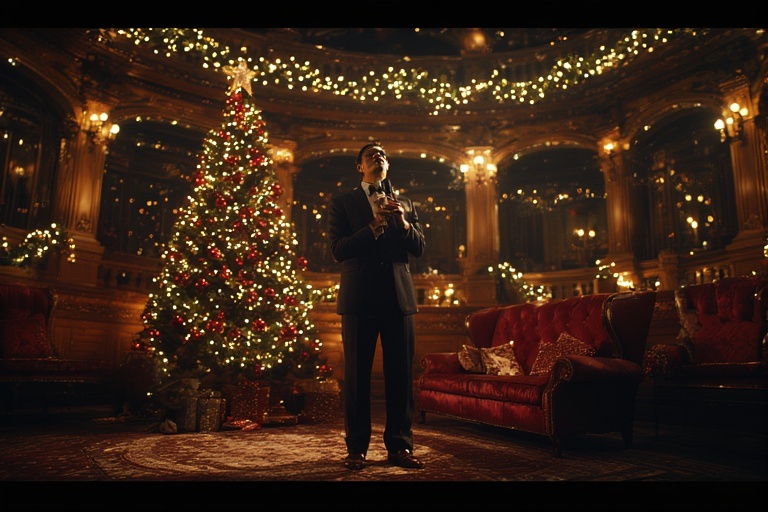
How Every Culture Celebrates in Song
Christmas is more than a holiday—it’s a global symphony of joy, reflection, and cultural expression. From the snow-covered villages of Europe to the sun-soaked plazas of Latin America and the bustling cities of Asia, every region has its own way of celebrating the season through music. While Western carols like “Silent Night” and “Jingle Bells” dominate much of the global airwaves, countless other songs—rooted in local languages, histories, and faith traditions—bring the Christmas spirit to life in ways that are as diverse as the world itself.
Europe: The Cradle of Christmas Carols
Europe is where many of the world’s most beloved Christmas carols were born. The continent’s musical legacy reaches back to medieval times, when religious chants evolved into songs meant for public celebration rather than church liturgy.
In Austria, 1818 marked the birth of “Stille Nacht” (“Silent Night”), composed by Franz Xaver Gruber with lyrics by Joseph Mohr. First performed in a small church in Oberndorf, this tender carol has since been translated into over 300 languages, embodying the universality of Christmas peace.
England gave the world a treasury of timeless carols. Songs like “Hark! The Herald Angels Sing,” “Good King Wenceslas,” and “The First Noel” capture the English love of choral harmony and festive pageantry. The tradition of caroling from house to house, often in Victorian costume, remains a cherished image of Christmas cheer.
In France, the season sparkles with the beauty of “Il est né, le divin enfant” (“He Is Born, the Divine Child”), a carol that combines faith and folk melody. French Christmas music often blends elegance and simplicity, reflecting the country’s deep Catholic roots and its regional traditions, especially in Provence and Alsace.
Meanwhile, Germany celebrates with songs that shaped the very sound of Christmas. “O Tannenbaum” and “Leise rieselt der Schnee” (“Softly Falls the Snow”) bring warmth to wintry nights, while German-speaking countries often feature intricate choral arrangements and festive brass ensembles during Weihnachten (Christmas).
Even in Eastern Europe, Christmas music carries a distinctly regional flavor. In Poland, the kolędy—a vast collection of folk carols—blend sacred themes with pastoral imagery, while in Ukraine, the haunting beauty of “Shchedryk” (known internationally as “Carol of the Bells”) evokes both ancient pagan and Christian traditions.
Latin America: Rhythm, Faith, and Festive Joy
In Latin America, Christmas music overflows with rhythm, warmth, and faith. The fusion of Indigenous, African, and European influences has created a uniquely vibrant soundscape for the holiday season.
In Mexico, “Feliz Navidad” by José Feliciano has become a global anthem of bilingual celebration. But traditional Mexican Christmas music runs much deeper. Songs like “Los Peces en el Río” and “La Peregrinación” accompany Las Posadas—nine nights of song-filled processions reenacting Mary and Joseph’s search for shelter. Guitars, maracas, and voices echo through candlelit streets, creating a musical tapestry of devotion and community.
Puerto Rico and other Caribbean nations infuse Christmas with tropical flair. The island’s parrandas—spontaneous nighttime visits from groups of carolers playing guitars, güiros, and cuatros—are as much about celebration as spirituality. Puerto Rican classics like “Alegre Vengo” and “De la Montaña Venimos” turn every gathering into a fiesta of faith and fellowship.
Across South America, local traditions take center stage. In Venezuela, the gaita zuliana—a lively genre from the Zulia region—fills the December air with syncopated rhythms and lyrics about love, hope, and nativity. Meanwhile, in Peru, villancicos (carols) are often sung in both Spanish and Quechua, blending Catholic themes with Indigenous cultural identity.
From the Andes to the Amazon, Latin American Christmas songs embody a deep sense of togetherness—families gathering, communities dancing, and music bridging the sacred and the joyful.
Asia: Ancient Traditions Meet Modern Christmas Spirit
Although Christianity represents a smaller demographic across much of Asia, Christmas has taken on a fascinating blend of local customs and imported carols, reflecting the continent’s creativity and openness to cultural fusion.
In the Philippines, where Christmas celebrations famously begin as early as September, music is the beating heart of the holiday. Traditional carols like “Ang Pasko ay Sumapit” and “Pasko Na Naman” echo from homes, malls, and churches. The Filipino custom of Simbang Gabi—a nine-day series of dawn masses—features both solemn hymns and joyful songs that celebrate community and faith.
In Japan, where Christmas is more of a secular celebration, music has become a symbol of romance and illumination. Western carols are popular, but Japan has also produced its own festive pop classics like Tatsuro Yamashita’s “Christmas Eve.” The soundtracks of Japanese Christmas—soft pop, jazz, and orchestral ballads—reflect a love of beauty and sentiment rather than religion.
South Korea celebrates with enthusiasm, blending K-pop energy with Christian devotion. Churches host carol services, while Korean pop stars release Christmas singles that mix English and Korean lyrics. Songs like “White Love” or “Christmas Time” by K-pop groups create a distinctly modern soundscape for the season.
In India, particularly in regions like Goa and Kerala, Christmas music blends English hymns with local languages and instruments. Drums, violins, and harmoniums accompany songs such as “Asha Deep Jalaye” (“Light the Lamp of Hope”). Street processions and midnight masses fill the air with joy and melody, proving that Christmas spirit transcends linguistic and cultural boundaries.
Even in China, where Christmas is not a traditional holiday, festive music has found its place in the hearts of city dwellers. From shopping malls playing “Jingle Bells” in Mandarin to choirs in Beijing performing “Silent Night,” music bridges East and West in a uniquely global celebration.
A Universal Language of Joy
What unites all these songs—no matter the country or culture—is their ability to bring people together. Christmas music, whether whispered in a candlelit chapel or shouted joyfully in a crowded street, speaks a universal language of love, hope, and renewal.
Each nation adds its own rhythm, its own poetry, and its own heart to the global chorus of Christmas. Europe gives us timeless tradition; Latin America offers passion and rhythm; Asia blends the sacred with the modern. Together, they form a mosaic of sound that celebrates humanity’s shared longing for peace and connection.
As the world grows ever more interconnected, these diverse carols remind us that no matter where we are—or what language we sing in—the spirit of Christmas lives on in song.