
Blue Dot Fever
Music Industry’s New Challenge
By the Mixmaster
If you’ve been following music news lately, you’ve probably noticed a phrase popping up across entertainment headlines and social media:
Blue Dot Fever.
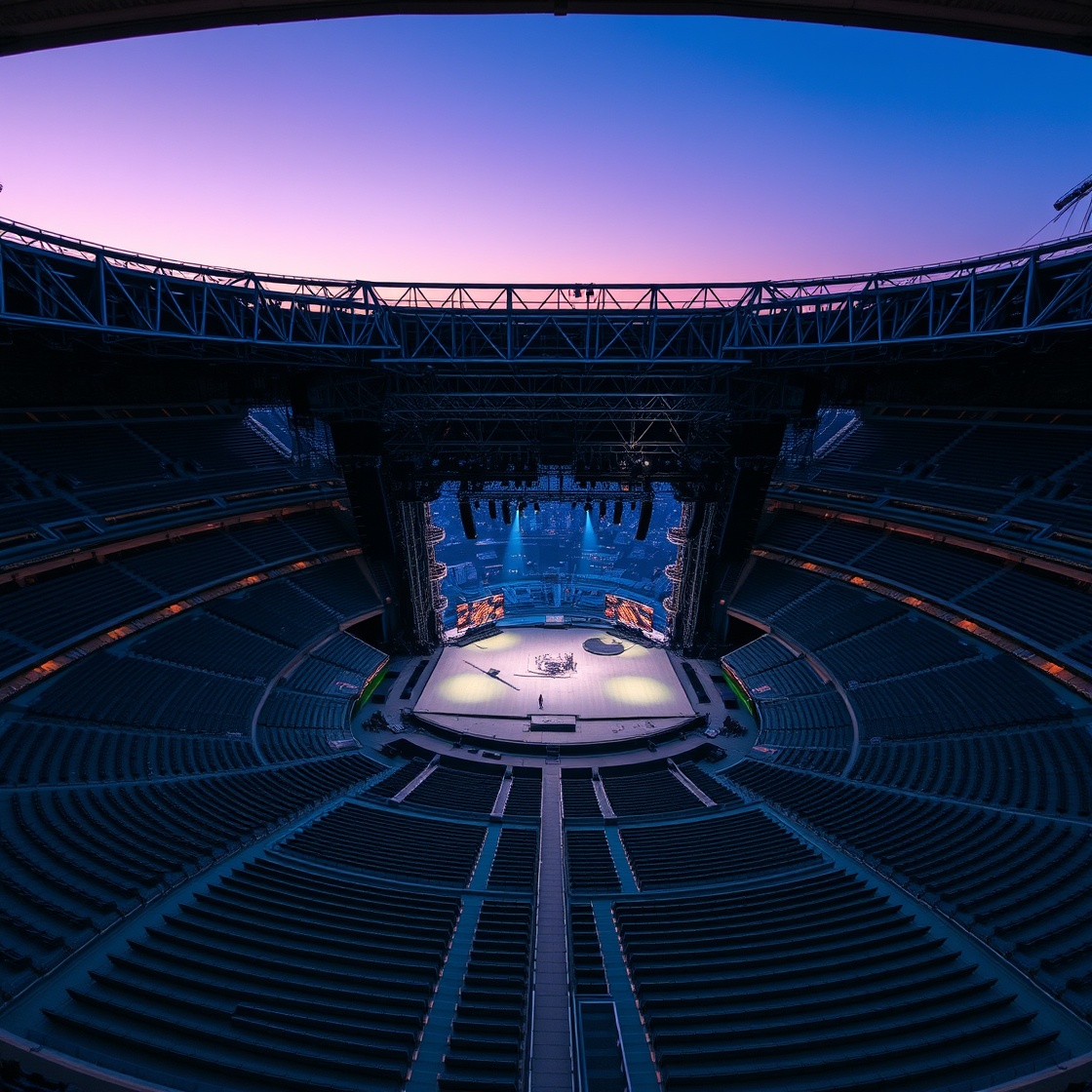
It’s one of the hottest topics in the live music business, sparking conversations among artists, promoters, venues, and fans alike. While the name sounds like the title of a futuristic rock song, it actually refers to something much more familiar to concertgoers the blue dots representing available seats on online ticket maps.
As more tours make adjustments, postpone dates, or rethink venue sizes, “Blue Dot Fever” has become shorthand for a changing concert landscape rather than a medical condition. The phrase has gained traction throughout 2026 as industry observers discuss softer ticket demand for some large arena and stadium tours.
What Is Blue Dot Fever?
Most ticketing websites display unsold seats as blue circles or blue dots on their interactive seating maps.
When large sections of these blue dots remain visible close to showtime, it can signal slower-than-expected ticket sales. Fans and music media began calling this phenomenon “Blue Dot Fever,” and the nickname quickly spread throughout the entertainment world.
It’s important to understand that Blue Dot Fever isn’t an official industry term or diagnosis. Instead, it’s a nickname describing a trend that has become part of conversations surrounding concert touring in 2026.
Why Is It Happening?
There isn’t one simple explanation.
Industry analysts point to several factors working together.
Rising Ticket Prices
Concert production has become significantly more expensive over the past several years.
Everything from trucking and fuel to stage production, crew wages, lighting, insurance, and venue costs has increased. Those expenses often translate into higher ticket prices for fans.
Fans Are Choosing Carefully
Today’s concert fans have more entertainment choices than ever.
Streaming services, festivals, sporting events, vacations, and countless other experiences all compete for the same discretionary spending.
Many music lovers are still attending concerts—but they’re becoming more selective about which shows they prioritize.
Bigger Doesn’t Always Mean Better
The biggest superstars continue to sell out stadiums around the world.
However, some mid-level artists face a tougher challenge filling 15,000- to 50,000-seat venues.
In many cases, a slightly smaller venue can create a better atmosphere while reducing financial risk for everyone involved.
Tour Adjustments Make Headlines
Several high-profile artists have postponed or altered touring plans during the year, leading many fans to connect those announcements with discussions surrounding Blue Dot Fever. However, each tour has its own circumstances, and public reasons for changes often include scheduling, creative priorities, personal considerations, or production logistics. It’s not possible to attribute every cancellation or postponement to ticket demand alone.
- That distinction is important because every artist’s situation is unique.
- Social Media Amplifies Every Empty Seat
- Years ago, fans rarely saw ticket inventories.
- Today, anyone can open a seating chart online and instantly see what appears to be available.
- Screenshots of blue seating maps spread rapidly across X, Instagram, TikTok, Facebook, and Reddit, fueling speculation long before official announcements are made.
- Sometimes those maps don’t tell the complete story.
- Venue holds, production adjustments, VIP inventory, and delayed ticket releases can all affect what fans see online.
- The Economics of Touring Have Changed
- Touring has always been expensive.
- Today, it’s even more complicated.
A modern arena production may involve:
Hundreds of crew members.
Dozens of trucks.
Sophisticated lighting and video systems.
Complex staging.
Transportation costs.
Insurance.
Venue staffing.
Security.
Even successful tours operate with tight margins, making attendance levels more important than ever.
Good News for Live Music
Despite all the headlines, the live music business remains incredibly strong.
Major artists continue to sell out stadiums.
Festivals still attract enormous crowds.
Club shows remain vibrant.
Independent venues continue introducing audiences to tomorrow’s stars.
Many experts view Blue Dot Fever not as the beginning of the end, but as a market correction following years of unprecedented post-pandemic demand.
What This Means for Fans
Fans may begin seeing several trends emerge:
More reasonably sized venues
Better ticket availability
Increased promotional offers
More competitive pricing in some markets
Greater emphasis on creating memorable concert experiences
For many music lovers, these changes could actually improve the overall concert experience.
Supporting the Artists You Love
Every ticket purchased helps support far more than the performers on stage.
Behind every concert are musicians, sound engineers, lighting designers, stagehands, truck drivers, tour managers, merchandise crews, photographers, security teams, and countless others who make live music possible.
Attending a show is an investment in an entire creative community.
Live Music Isn’t Going Anywhere
Blue Dot Fever may be the music industry’s newest buzzword, but one thing hasn’t changed:
Nothing replaces the energy of a live performance.
- The lights go down.
- The crowd sings every word.
- The opening chord echoes through the venue.
- For a few unforgettable hours, thousands of strangers become one audience sharing the same experience.
- No streaming playlist can recreate that feeling.
- As the industry continues adapting to changing economics and audience habits, live music will continue evolving—just as it always has.
- Whether in an intimate club, historic theater, outdoor amphitheater, or packed arena, the connection between artists and fans remains the heartbeat of the music world.
- And that’s something no sea of blue dots can ever replace.